

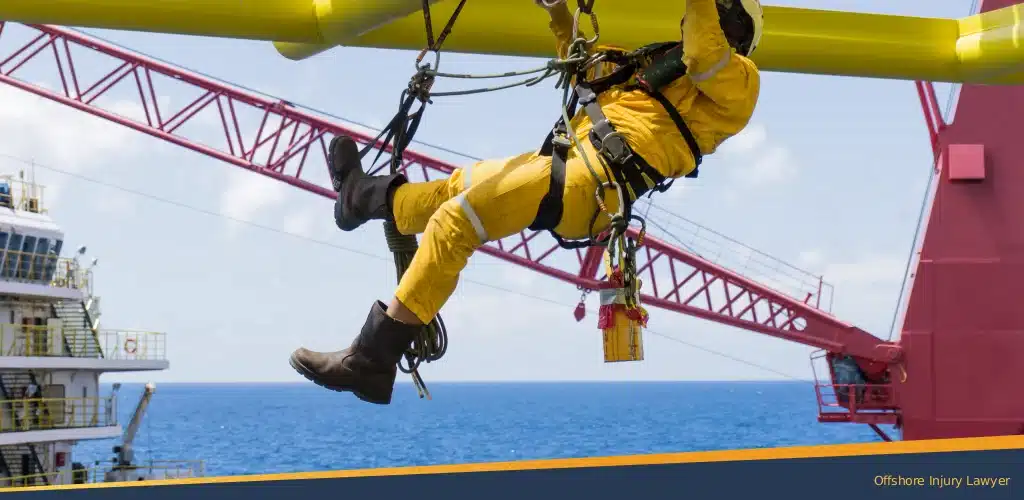
A serious offshore accident can change everything in an instant. One moment, you’re working hard on a rig or vessel—the next, you’re facing severe injuries, mounting medical bills, and an uncertain future. When your livelihood depends on offshore work, you need a law firm that knows how to fight powerful employers and insurance companies that try to avoid responsibility. That’s where Daly & Black P.C., your trusted offshore injury lawyer, comes in.
Our attorneys have represented offshore and maritime workers across the Gulf Coast—including those injured on oil rigs, ships, and platforms—helping them pursue the full compensation they may be entitled to under maritime law.
Daly & Black is ALL IN. ALL THE TIME. Call us today for a free consultation.
Understanding Offshore & Maritime Injuries
Offshore work is among the most dangerous occupations in the world. Whether you work aboard a vessel, on an oil rig, or in a harbor, accidents can happen suddenly—often because of employer negligence or unsafe conditions.
Maritime law governs offshore injuries and differs from standard personal injury law. These cases fall under federal statutes like the Jones Act, Longshore & Harbor Workers’ Compensation Act (LHWCA), and Death on the High Seas Act (DOHSA). Each law provides distinct protections for different types of maritime workers — and Daly & Black has the experience to help you navigate them.
Common Causes of Offshore Accidents
Offshore environments are unforgiving, and even minor errors can have devastating consequences. Some of the most common causes of offshore accidents include:
- Equipment failures and explosions from poor maintenance or pressure build-ups.
- Falls and crush injuries due to slippery decks, unsecured loads, or unsafe machinery.
- Fires and blowouts on oil rigs caused by improper safety procedures.
- Fatigue and human error, often linked to long shifts and harsh conditions.
- Negligent supervision or training, leading to preventable injuries.
When negligence or defective equipment causes an accident, our attorneys hold the responsible parties accountable.
Your Rights Under the Jones Act & Maritime Law
The Jones Act (46 U.S.C. §30104) protects seamen who are injured due to employer negligence. It allows them to pursue damages for medical costs, lost wages, and pain and suffering—rights not available under standard workers’ compensation.
For maritime workers who don’t qualify as seamen, the LHWCA provides compensation for injuries sustained in U.S. navigable waters or adjoining areas like docks and terminals. Meanwhile, the DOHSA governs wrongful death cases that occur more than three nautical miles offshore.
Determining which law applies is complex, but Daly & Black has decades of combined experience handling cases under each statute. We help you understand your legal rights and take swift action to secure justice.
How Daly & Black Fights for Injured Offshore Workers
Choosing the right offshore injury lawyer can mean the difference between a denied claim and a full recovery. At Daly & Black, we bring a combination of trial readiness, deep maritime law knowledge, and aggressive insurance litigation tactics to every case.
Strategic Legal Preparation
We approach every offshore injury claim as if it will go to trial. This readiness compels corporations and insurers to negotiate fairly—and take our clients seriously.
Proven Insurance Litigation Expertise
Our firm’s roots are in insurance litigation. When companies delay, deny, or devalue legitimate claims, we fight back using every legal avenue available.
Clear and Compassionate Communication
You’ll never be left wondering what comes next. Our team provides consistent updates and transparent advice from start to finish.
Nationally Recognized Results
Daly & Black’s attorneys have been recognized by Super Lawyers, Best Law Firms, and multiple nominations for Insurance Litigation Firm of the Year—a testament to our commitment to results.
Common Offshore Injuries We Handle
Offshore work can result in severe, life-altering injuries. Our team partners with leading medical experts to build comprehensive cases for compensation.
Traumatic Brain Injuries (TBI)
Falls, falling equipment, or explosions can cause TBIs that lead to cognitive, emotional, and physical impairments and can lead to long term behavioral problems.
Spinal Cord and Back Injuries
Lifting heavy gear or being struck by equipment can result in spinal trauma, herniated discs, or paralysis.
Burns and Explosion Injuries
Oil rig fires and chemical exposure often lead to second- or third-degree burns, scarring, and permanent disfigurement.
Drowning and Hypoxia
When safety equipment fails or emergency procedures are ignored, drowning or oxygen deprivation can occur—often with fatal results.
Crush Injuries and Amputations
Machinery malfunctions and falling cargo can cause catastrophic crush injuries, sometimes requiring amputation or prosthetic treatment.
Wrongful Death
If an offshore accident results in a fatality, surviving family members may file a wrongful death claim under maritime law to recover for funeral costs, lost income, and emotional loss.
Long-Term Exposure and Toxic Substance Claims
Not all offshore injuries result from sudden accidents. Many workers suffer long-term harm due to continuous exposure to hazardous chemicals, toxic fumes, and environmental pollutants found in offshore drilling and shipping environments. Over time, this exposure can lead to serious illnesses such as respiratory disease, neurological disorders, skin conditions, or even cancer.
Daly & Black represents offshore workers who develop health conditions caused by prolonged contact with substances like crude oil, drilling mud, benzene, and industrial solvents. These claims often involve complex medical evidence and corporate accountability, but our team has the experience and network of experts to build a strong case.
If you’ve been diagnosed with a chronic illness related to your offshore work, you may still have the right to pursue compensation under maritime law—even years after exposure. We’ll investigate your employment history, identify responsible parties, and fight to ensure your suffering does not go uncompensated.
Laws Governing Long-Term Exposure Claims
Several key federal statutes provide avenues for recovery in long-term exposure cases:
- The Jones Act (46 U.S.C. §30104): Allows seamen injured due to an employer’s negligence—including chemical exposure—to file for damages.
- The Longshore & Harbor Workers’ Compensation Act (LHWCA): Protects maritime workers on docks, harbors, and adjacent facilities who develop occupational illnesses from repeated exposure.
- The Outer Continental Shelf Lands Act (OCSLA): Extends LHWCA protections to offshore oil and gas workers on rigs and platforms operating beyond state waters.
- The Death on the High Seas Act (DOHSA): Applies to fatal illnesses or exposures occurring more than three nautical miles offshore.
Our attorneys assess every detail of your employment and medical history to determine which laws apply and pursue claims under the statute that offers you the strongest legal protection.
What Compensation You May Be Entitled To
Under maritime and offshore injury law, you may be entitled to recover:
Economic Damages
Medical expenses and rehabilitation costs can overwhelm injured offshore workers, especially when recovery spans months or years. Compensation in this category also covers lost wages, diminished earning capacity, and property or equipment loss sustained in the incident.
Non-Economic Damages
Beyond the tangible financial losses, victims are often entitled to damages for pain and suffering, emotional distress, and loss of enjoyment of life. These damages acknowledge the personal and psychological toll of serious offshore injuries.
Punitive Damages
In rare but severe cases involving gross negligence or willful misconduct—such as ignored maintenance or known safety violations—courts may award punitive damages. These serve to punish wrongdoing and deter similar behavior across the industry.
Wrongful Death Damages
When an offshore accident results in a tragic loss of life, the surviving family may recover compensation under the Death on the High Seas Act (DOHSA) or other applicable maritime laws.
These damages can include funeral and burial costs, loss of financial support, companionship, and the emotional pain caused by the death of a loved one. Our attorneys handle these cases with compassion, ensuring your family’s loss is fully recognized and fairly compensated.
Daly & Black will help you pursue the full compensation you may be entitled to, ensuring every loss and hardship is accounted for.
Statute of Limitations for Offshore Injury Claims
Most offshore injury claims under the Jones Act must be filed within three years of the accident. However, shorter deadlines may apply under the LHWCA or DOHSA. Acting quickly allows your attorney to preserve vital evidence and protect your rights before time runs out.
Don’t wait—contact Daly & Black today to secure your case and your future.
FAQ
What should I do after an offshore injury?
Seek medical attention immediately, report the accident to your supervisor, document the scene, and contact a maritime injury lawyer before giving any recorded statements.
Who qualifies as a seaman under the Jones Act?
A seaman is generally any crew member who spends at least 30% of their work time aboard a vessel in navigation and contributes to its mission or function.
What compensation can offshore workers recover?
Medical care, lost wages, pain and suffering, and, in certain cases, punitive damages for employer negligence.
What’s the difference between the Jones Act and the LHWCA?
The Jones Act applies to seamen, while the LHWCA covers dock, harbor, and shipyard workers who don’t qualify as crew members.
Can I file a wrongful death claim for an offshore accident?
Yes. Under DOHSA, families may pursue compensation for deaths that occur beyond three nautical miles from shore.
From the Gulf to the Courtroom—Daly & Black Has Your Back
You’ve risked everything to build a life offshore. Now let Daly & Black P.C. fight for the justice and financial recovery you deserve. Our attorneys are relentless in holding corporations and insurers accountable for their negligence.
Schedule your FREE consultation today.
Daly & Black is ALL IN. ALL THE TIME. for you and your family.
Practice Areas
- Offshore Injury Lawyer
- Houston Car Accident Lawyer
- New Orleans Car Accident Lawyer
- New Orleans Oil Rig Injury Lawyer
- New Orleans Wrongful Death Lawyer
- New Orleans Disability Lawyer
- Houston Disability Lawyer
- Houston Wrongful Death Lawyer
- New Orleans Negligent Security Lawyer
- Houston Negligent Security Lawyer
- New Orleans Dog Bite Lawyer
- New Orleans Birth Injury Lawyer
- Houston Dog Bite Lawyer
- Houston Oil Rig Injury Lawyer
- Houston Personal Injury Attorney
- New Orleans Offshore Accident Attorney
- Houston Offshore Accident Attorney
- Houston Slip and Fall Lawyer
- New Orleans Slip and Fall Lawyer
- New Orleans Personal Injury Lawyer
- First-Party Insurance Attorney
- Personal Injury Lawyers
- Medical Malpractice
- Mass Tort Lawyers
- Necrotizing Enterocolitis Attorney
- Truck Accidents
- Ski and Snowboard Accidents Lawyer
- Defective Products Attorney
- Aviation Accidents
- Railroad Accidents
- Medical Device & Drug Injuries
- Plant & Refinery Injury Lawyers
- Offshore Injuries and Maritime Claims Attorney
- Wrongful Death Law Firm Fighting for Families
- Property Contamination Lawyers
- Health Insurance Claims
- Commercial Litigation Attorney
- Windstorm Claims
- Earthquake Loss Claims
- Life Insurance Claims
- Business Interruption Claims Attorney
- Tornado Insurance Claims Attorney
- Hail Damage Claims Attorney
- Nursing Home Abuse
Daly & Black is an amazing law firm. They handled clients’ hail damage claims. Maria Gerguis, a partner and trial lawyer, is the absolute best. Will be referring clients to them in the future. They’re very responsive, professional, care about the little people, and WIN cases.