

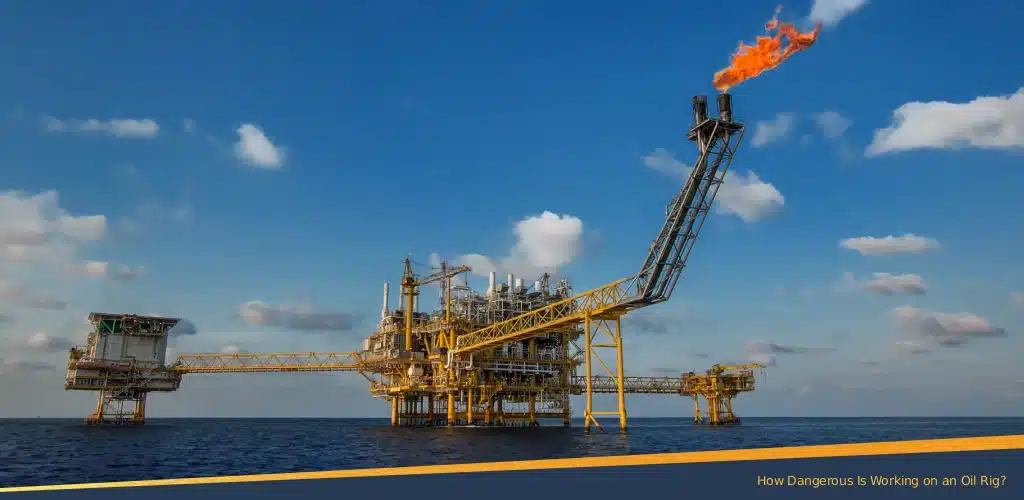
Working on an oil rig is one of the most hazardous jobs in the world. From explosions and heavy machinery accidents to extreme weather and isolation, the risks are real and often catastrophic. While safety standards have improved, oil rigs remain dangerous workplaces where a single mistake can lead to tragedy.
This article breaks down the hazards and risks that oil rig workers face on their day to day.
Understanding Oil Rigs: Land vs Offshore
Oil rigs come in two main forms: onshore rigs and offshore platforms. Onshore rigs operate on land, usually in remote areas, while offshore rigs sit miles out in the ocean, accessed by helicopter or boat. Offshore rigs carry unique risks—harsh weather, long shifts, and the challenge of getting emergency medical help when hours away from land.
Workers fill a variety of roles, from drill operators and roughnecks to engineers and transport pilots. The environment is industrial, fast-paced, and unforgiving.
Key Hazards at Oil Rigs
Oil rigs present a variety of dangers that stem from the environment, the nature of the work, and the materials being handled. Understanding these hazards is critical to appreciating just how risky offshore and onshore drilling operations can be. The following sections break down the most pressing threats faced by workers on rigs every day.
Heavy Machinery & Equipment Failures
Massive drills, cranes, and moving equipment dominate rigs. Malfunctioning equipment or improper training can cause crush injuries, amputations, or fatalities.
Fires, Explosions & Blowouts
Oil and gas are highly flammable. Blowouts, uncontrolled releases of crude oil or natural gas, can lead to catastrophic fires, as seen in the Deepwater Horizon disaster.
Chemical & Toxic Exposure
Workers face exposure to drilling fluids, hydrocarbons, and toxic chemicals that can cause long-term health problems like respiratory disease or neurological damage.
Falls, Slips, Trips & Working at Height
Rigs feature slick surfaces and towering structures. Falls from ladders or platforms are among the most common causes of severe injuries.
Transportation Risks
Helicopter crashes and supply vessel accidents remain significant dangers for offshore workers, as transportation is often the only way on or off the platform.
Weather & Natural Forces
Hurricanes, high winds, and rough seas can destabilize rigs and create unsafe working conditions.
Isolation & Delayed Emergency Response
When something goes wrong offshore, medical help is not minutes away—it could be hours. That delay often worsens outcomes for serious injuries.
Fatigue & Human Factors
Long shifts, rotating schedules, and physically demanding labor contribute to fatigue, which increases mistakes and accidents.
Injury Types & Long-Term Health Risks
Oil rig accidents can lead to devastating consequences:
- Traumatic injuries: fractures, amputations, crush injuries, burns.
- Spinal cord & brain injuries: life-altering disabilities.
- Chronic illness: exposure to chemicals can cause cancer, lung disease, or neurological damage.
- Mental health impacts: PTSD and anxiety are common after catastrophic events like explosions or fatal accidents.
Statistical Landscape: How Dangerous Are Rigs Compared to Other Jobs?
The oil and gas extraction industry consistently ranks among the most hazardous in the United States. According to the Bureau of Labor Statistics (BLS), workers in oil and gas extraction experienced a fatal injury rate of 14.2 per 100,000 full‑time equivalent workers in 2022, compared to the overall private industry average of 3.7.
Between 2014 and 2019, researchers documented 470 worker fatalities in the oil and gas extraction industry using the Fatalities in Oil and Gas Extraction (FOG) database. The most frequent fatal events were vehicle incidents (26.8%), contact injuries (21.7%), and explosions (14.5%).
Although advances in safety technology, such as blowout preventers and remote monitoring systems, have reduced certain risks, the occupation remains significantly more dangerous than construction, manufacturing, or warehouse work.
Who’s Liable? Legal Frameworks & Claim Paths
Oil rig accidents aren’t just “part of the job”, many result from negligence.
- Employer liability: inadequate training, ignored safety standards, or lack of protective equipment.
- Third-party claims: equipment manufacturers, contractors, or transport companies may share blame.
- Maritime law: offshore workers often fall under the Jones Act, which allows injured seamen to sue employers for negligence.
- Land-based rigs: may be governed by workers’ compensation systems or personal injury law, depending on jurisdiction.
Understanding which law applies is critical, and can determine the outcome of a claim.
Real-Life Case Studies & Examples
Real-world accidents on oil rigs reveal just how devastating these incidents can be. By examining past disasters and transportation tragedies, we can better understand the scale of risks involved, the systemic failures that often contribute to them, and the legal consequences that follow.
Deepwater Horizon (2010)
The Deepwater Horizon explosion in the Gulf of Mexico killed 11 workers and injured many more. Beyond the immediate human toll, it caused one of the worst environmental disasters in U.S. history. The incident led to billions in settlements, stricter federal oversight, and highlighted how corporate negligence and inadequate safety systems can devastate both workers and the public.
Piper Alpha (North Sea, 1988)
The Piper Alpha platform remains the deadliest offshore rig disaster, claiming 167 lives after a massive explosion and fire. Investigations revealed poor maintenance practices, lack of emergency preparedness, and communication breakdowns. The tragedy reshaped global oil rig safety regulations, particularly in the North Sea, and stands as a stark reminder of the consequences of ignoring safety protocols.
Helicopter Crashes in the Gulf
Transportation to and from offshore rigs is often as dangerous as the work itself. In the Gulf of Mexico, dozens of helicopter crashes have killed or injured workers over the years. Mechanical failures, severe weather, and pilot fatigue contribute to these accidents, underscoring the critical role of safe transport in offshore drilling operations.
These cases highlight the catastrophic potential of rig accidents and the importance of legal accountability.
What Should You Do If You’re Injured?
If you’re hurt on a rig, what you do next matters:
- Get medical help immediately: even if offshore, report injuries and request evacuation if needed.
- Document everything: photos, video, witness statements, and accident reports.
- Preserve evidence: including safety logs, maintenance records, and training documents.
- Consult a lawyer quickly: statutes of limitations may apply, and jurisdiction can affect your claim.
Daly & Black can investigate, preserve evidence, and fight for your right to pursue the full compensation you may be entitled to.
Preventive Measures & Safety Best Practices
While oil rig work will always carry risks, certain practices help reduce danger:
Regulations
Oversight agencies such as the Bureau of Safety and Environmental Enforcement (BSEE), the Occupational Safety and Health Administration (OSHA), and the International Maritime Organization (IMO) establish rigorous safety protocols. These rules dictate everything from equipment inspections to emergency evacuation procedures, and compliance is meant to reduce the risk of catastrophic accidents.
Technology
Modern oil rigs rely on advanced technology to improve safety.
Automated drilling systems reduce the need for manual intervention in high‑risk operations, while real‑time monitoring systems detect dangerous pressure changes before they escalate. Improved blowout preventers, a critical safeguard against uncontrolled releases of oil or gas, are another line of defense that has evolved significantly since disasters like Deepwater Horizon.
Training
Safety training is one of the most effective ways to prevent accidents.
Workers are required to undergo regular safety drills, ranging from fire and evacuation simulations to equipment‑handling protocols. These drills not only teach proper responses but also ensure crews remain alert to the hazards around them. Consistent training can mean the difference between a contained incident and a deadly accident.
Whistleblower Protections
Even the best safety systems fail when workers fear retaliation for speaking up. Whistleblower protections encourage employees to report unsafe practices without risking their jobs. These protections help uncover negligence, such as bypassed safety checks or ignored maintenance needs, that might otherwise go unaddressed until tragedy strikes.
Unfortunately, many accidents happen when companies cut corners on safety to protect profits.
FAQ
What are the most common hazards on an oil rig?
Fires, heavy machinery, chemical exposure, and falls top the list.
What types of injuries often happen on rigs?
Burns, crush injuries, fractures, head trauma, and respiratory illness are common.
Are oil rig accidents usually caused by negligence?
Often, yes. Negligence by employers, contractors, or equipment manufacturers plays a role.
Can I sue my employer after an oil rig accident?
Yes, depending on whether maritime law (Jones Act) or state law applies. A lawyer can clarify.
What should I do after being injured on a rig?
Report it, document evidence, seek medical help, and consult an attorney immediately.
Your Legal Options After an Oil Rig Accident
Oil rig jobs are dangerous by nature, but many injuries are preventable. Workers shouldn’t bear the costs of unsafe conditions, defective equipment, or corporate negligence. If you or a loved one has been hurt in an oil rig accident, Daly & Black is ready to go ALL IN. ALL THE TIME. to fight for your rights.
Contact us today to schedule your free consultation and start building your case.